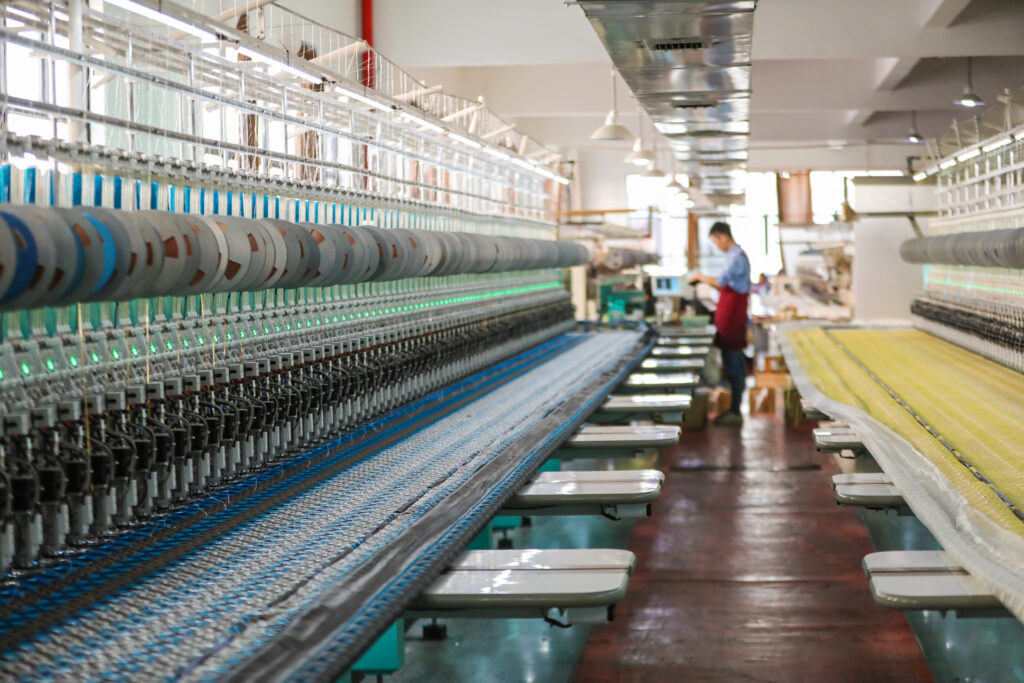
Fancy fabrics often involve multiple materials and specialized manufacturing processes. Quality management therefore requires attention to material selection, technical specifications, production consistency, testing and garment processing performance.
1. How can I source sequin fabrics that meet European fashion brand chemical requirements?
Buyers should confirm the applicable legal requirements and the brand’s restricted substances list before production. Ground fabrics, embroidery threads, sequins and other decorative materials should be evaluated, with appropriate testing arranged according to the product and customer requirements.
2. How can I prevent sequins from falling off during garment cutting?
Sequin attachment methods and embroidery stitch structures should be evaluated before bulk production. Additional fixing stitches or optimized stitch paths may reduce continuous sequin loss after cutting. Cutting trials are recommended for fabrics with higher risks.
3. How can I ensure consistent lace quality across different production batches?
Consistency requires control of yarn specifications, machine settings, pattern structure, dyeing conditions and finishing processes. Approved reference samples and clearly defined quality tolerances help reduce differences between production batches.
4. How can I improve the colorfastness of nylon stretch lace?
Appropriate dyes, optimized dyeing and finishing processes, and suitable material selection can help improve colorfastness. Nylon lace containing exposed spandex requires particular attention. Required testing standards should be confirmed before production.
5. How can I avoid fabric width problems during garment production?
Buyers should distinguish full width from cuttable width and agree on acceptable width tolerances before ordering. For embroidered and stretch fabrics, ground fabric recovery, embroidery tension and finishing processes should also be considered.
6. How can I ensure bulk embroidered fabric matches the approved sample?
The approved sample should be supported by clear specifications covering ground fabric, embroidery materials, pattern, color, weight and cuttable width. Production monitoring and pre-shipment inspection help control differences between sampling and bulk production.
7. How can I reduce quality risks when sourcing fancy fabrics from China?
Buyers should evaluate suppliers’ technical knowledge, production management, inspection procedures and ability to identify potential risks. Naying Textile coordinates quality control across its manufacturing partners and conducts final fabric inspection at its own warehouse.
8. What should fashion brands check before approving decorative fabrics for bulk production?
Brands should confirm appearance, color, composition, weight, cuttable width, dimensional stability, decorative material attachment and applicable testing requirements. Garment cutting, sewing and care performance should also be evaluated where relevant.