3D Embroidered Fabric
3D embroidered fabric features raised patterns, layered details and dimensional decorative elements created through embroidery and related fabric embellishment techniques. Unlike conventional flat embroidery, it adds depth, texture and visual interest to the fabric surface.
Depending on the design and construction, dimensional effects can be achieved through raised floral embroidery, layered appliqué, shaped fabric elements, textured stitching and combinations of embroidery with decorative materials such as sequins or beads.
At Naying Textile, we develop and supply a variety of 3D embroidered fabrics with different patterns, base fabrics, textures and decorative effects. Floral designs, oversized flower motifs, layered appliqué and embroidered mesh constructions offer different creative possibilities for apparel collections.
Fabric composition, weight, usable width, embroidery density, dimensional height and hand feel vary by style. Buyers should evaluate these specifications according to their garment designs and production requirements.
Based in Keqiao, Shaoxing, China, Naying Textile is a manufacturing supplier and exporter of fancy fabrics, supporting apparel brands, fabric importers, wholesalers and garment companies with fabric sourcing and product development.
Showing all 18 resultsSorted by latest
-
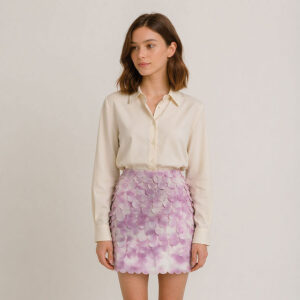 3D Embroidered Fabric
Layered Laser-Cut Petal Fabric – NEW-L08677
-
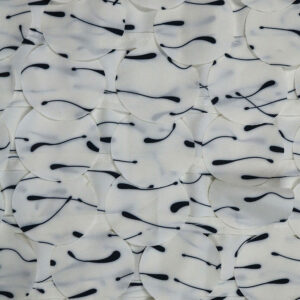 3D Embroidered Fabric
3D Laser-Cut Circle Layered Printed Fabric with Embroidery – NEW-L08676
-
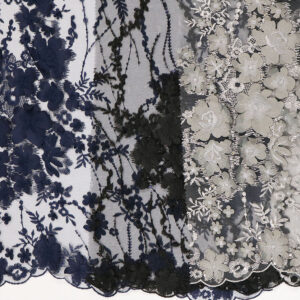 3D Embroidered Fabric
Multi 3D Floral Laser Cutting Machine Fabric with Sequins For Stylish Dress NEW-9767
-
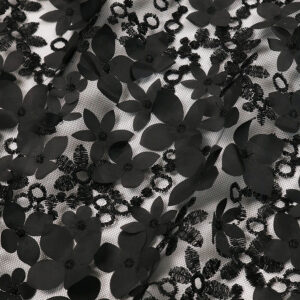 3D Embroidered Fabric
Luxury Black 3D Floral Laser Cut Embroidered Swiss Lace Fabric For Dress NEW-L0132
-
-
-
-
-
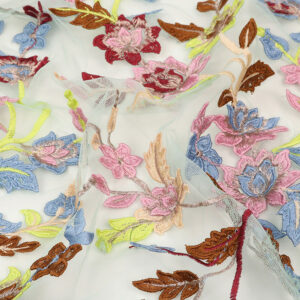 3D Embroidered Fabric
Mint Mesh Tulle Ground 3D Flower Embroidery Fabric for Dress NEWY-P0416
-
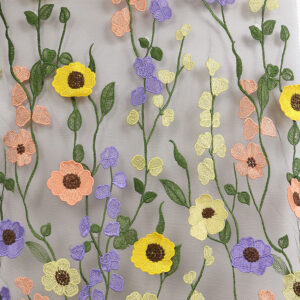 3D Embroidered Fabric
Mixed Colors Lace Net Embroidered 3D Flower Fabric for Dress NEW-L0307
-
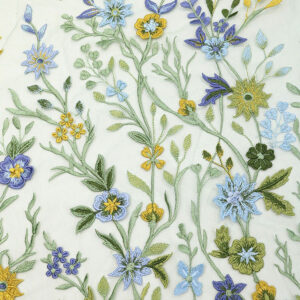 3D Embroidered Fabric
Colorful Mesh Base Big 3D Floral Lace Embroidered Fabric for Dress NEW-L0304
-
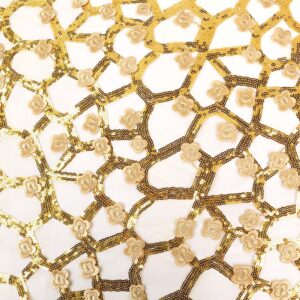 3D Embroidered Fabric
Floral Sequined Gold 3D Embroidery Fabric for Dress NEW-L0278
-
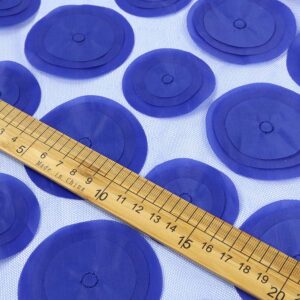 3D Embroidered Fabric
Mesh Ground Blue Multi Circles 3D Laser Embroidered Fabric for Party Dress NEW-L0284
-
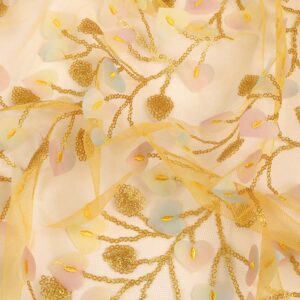 3D Embroidered Fabric
Floral Heart Sequins Gold 3D Laser Cut Fabric with Poly Mesh for Dress NEW-L0280
-
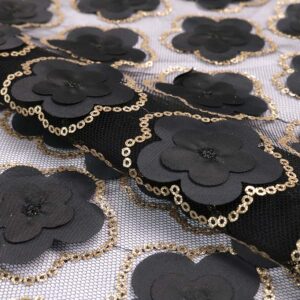 3D Embroidered Fabric
Lace Mesh Black Floral 3D Laser Engraving Fabric for Party Dress NEW-L0262
-
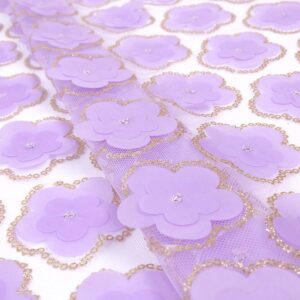 3D Embroidered Fabric
Purple Big Flower Glitter 3D Laser Sequin Fabric for Dress and Wedding NEW-L0262
-
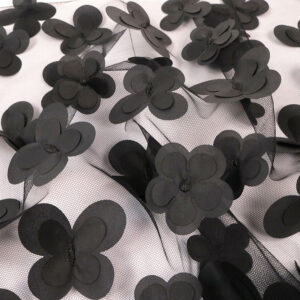 3D Embroidered Fabric
White Black Butterfly 3D Laser Cut Lace Fabric for Dress – NEW-L0213
-
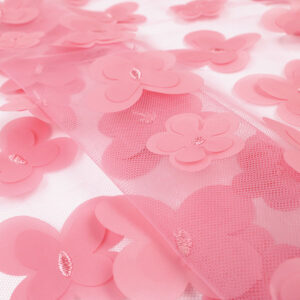 3D Embroidered Fabric
Pink Butterfly Floral 3D Laser Cutting Lace Fabric for Dress NEW-L0213
What Makes 3D Embroidered Fabric Different?
The defining feature of 3D embroidered fabric is its dimensional surface effect. Embroidered patterns are designed to extend beyond a flat surface, creating raised areas, layered structures or sculptural decorative details.
The degree of dimension can vary considerably. Some fabrics feature subtle raised stitching, while others have more prominent floral elements or layered appliqué that create a stronger three-dimensional appearance.
The term 3D embroidered fabric describes the visual and structural result rather than one single embroidery technique. Different construction methods can be used to achieve the desired effect.
Common Types of 3D Embroidered Fabric
3D embroidered fabrics can be developed in several design and construction directions. The following are useful product classifications for sourcing and product development.
1. 3D Floral Embroidery Fabric
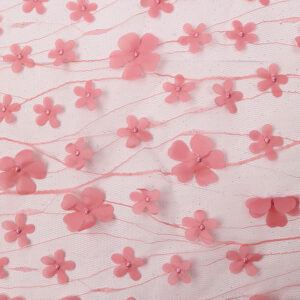
This type features raised flower motifs embroidered onto a fabric base. Petals, leaves and other floral elements can be designed with different heights, layers, shapes and textures.
Large flowers, scattered floral motifs and botanical patterns are common design directions. They can create a romantic, decorative or statement-making appearance depending on the pattern and color combination.
2. 3D Appliqué Embroidery Fabric
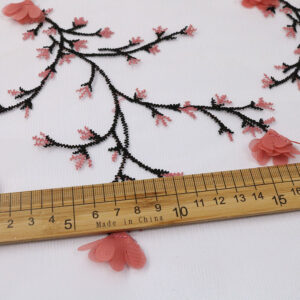
Appliqué embroidery uses additional fabric pieces or decorative elements attached to a base fabric and secured through embroidery or stitching.
Layered petals, shaped leaves, cut fabric motifs and other dimensional components can create a more pronounced relief effect. Different fabrics, colors and textures can be combined to develop distinctive surface designs.
3. Raised and Textured Embroidery Fabric
This category focuses on embroidery that creates a raised or textured surface rather than a completely flat pattern.
Different stitching structures, thread arrangements and embroidery densities can produce variations in height, texture and tactile effect. The final appearance depends on the design and construction.
4. 3D Embroidered Mesh and Tulle Fabric
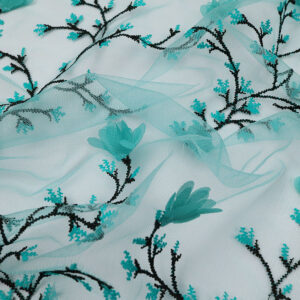
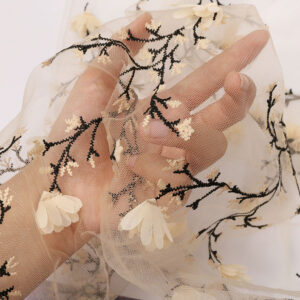
Mesh and tulle are commonly used as base fabrics for dimensional embroidery. Their lightweight and often transparent structures allow embroidered motifs to stand out visually.
Depending on the design, these fabrics can feature raised flowers, layered embroidery, decorative appliqué or combinations of different materials.
5. 3D Embroidered Fabric with Sequins or Beads
Dimensional embroidery can be combined with sequins, beads and other decorative materials to create additional texture, reflection and visual depth.
These designs may combine raised embroidery with sparkling details, making them suitable for apparel collections that require more elaborate surface decoration.
6. Multi-Layer and Mixed-Technique 3D Embroidery Fabric
Some designs combine several decorative methods, such as embroidery, appliqué, sequins, laser-cut details and layered fabric elements.
The combination of different materials and processes creates more complex surface effects and allows greater flexibility in design development.
These categories describe possible product directions, not a claim that every technique is used in every fabric or currently available in Naying’s collection.
Base Fabrics and Materials
3D embroidered fabric can be developed on different base fabrics depending on the required appearance, structure and end use.
Common base materials may include:
- Polyester mesh
- Tulle
- Organza
- Other lightweight woven or knitted fabrics
- Lace and embroidered net constructions
Embroidery threads, appliqué materials, sequins and beads may also be combined according to the design.
The choice of base fabric influences the overall weight, transparency, drape, stability and appearance of the finished material. Buyers should review the actual composition and construction of each style.
What Should Buyers Consider When Sourcing 3D Embroidered Fabric?
When sourcing dimensional embroidered fabric, buyers should consider more than the visual design.
Important specifications include:
- Base Fabric: Material, construction and transparency.
- Composition: Fiber content of the base fabric and decorative materials, where applicable.
- Weight: Overall fabric weight, including embroidery and embellishments.
- Usable Width: Effective width available for garment cutting.
- Dimensional Effect: Height, volume and distribution of raised elements.
- Embroidery Quality: Stitching density, pattern definition and attachment strength.
- Hand Feel and Drape: Whether the fabric suits the intended garment structure.
- Embellishment Security: Whether appliqué pieces, sequins or beads remain securely attached during handling and garment production.
For more elaborate designs, buyers should also evaluate the fabric’s behavior during cutting, sewing and garment construction.
Apparel Applications
Depending on its weight, structure, drape and decorative details, 3D embroidered fabric may be used for:
- Evening dresses
- Party dresses
- Bridal and wedding dresses
- Special occasionwear
- Fashion tops and blouses
- Skirts
- Decorative garment panels and overlays
Lightweight embroidered mesh and tulle may be suitable for overlays and layered garment designs. More structured or heavily decorated fabrics may be considered for statement garments and special occasionwear.
The final application should be determined by the actual fabric specifications and garment requirements.
Custom Fabric Development
3D embroidered fabric offers opportunities for design development because its visual effect can be adjusted through pattern, material, embroidery structure, dimensional height and decorative combinations.
Naying Textile supports B2B customers with fabric sourcing and product development based on available references and project requirements.
Customers can provide:
- Existing fabric samples
- Garment photographs
- Design sketches
- Artwork and pattern references
- Color references
- Target composition
- Target weight and width
- Intended garment application
- Target price range
These details help clarify the expected appearance, fabric construction and production requirements.
Custom development feasibility depends on the design, materials, process requirements and order conditions. Each project should be evaluated individually.
FAQ
Q1. What is 3D embroidered fabric?
3D embroidered fabric is a decorative fabric featuring raised patterns, layered structures or dimensional elements created through embroidery and related embellishment techniques. It adds depth and texture beyond conventional flat embroidery.
Q2. How is 3D embroidered fabric made?
The dimensional effect can be achieved through different construction methods, including raised embroidery, layered appliqué, shaped fabric elements and combinations of embroidery with decorative materials. The method depends on the design and required appearance.
Q3. What is the difference between 3D embroidery and flat embroidery?
Flat embroidery mainly creates patterns on the fabric surface with relatively limited height variation. 3D embroidery focuses on raised elements, layered details or textured structures that create a stronger dimensional effect.
Q4. What base fabrics are used for 3D embroidered fabric?
Common base fabrics include polyester mesh, tulle, organza and other woven or knitted fabrics. The choice depends on the desired transparency, drape, stability, weight and garment application.
Q5. Can 3D embroidered fabric be combined with sequins or beads?
Yes. Embroidery can be combined with sequins, beads and other decorative materials to create additional texture, sparkle and dimensional effects. The construction and material combination depend on the individual design.
Q6. What should buyers check when sourcing 3D embroidered fabric?
Buyers should check the base fabric, composition, weight, usable width, embroidery construction, dimensional height, hand feel, drape and attachment security of decorative elements. Sample evaluation is recommended before bulk production.
Q7. What garments can use 3D embroidered fabric?
Depending on its weight, structure and decorative effect, 3D embroidered fabric may be used for evening dresses, party dresses, bridalwear, special occasionwear, tops, skirts and decorative garment panels.
Q8. Can Naying Textile develop custom 3D embroidered fabrics?
Naying Textile supports fabric sourcing and product development based on customer references and project requirements. Customers can provide fabric samples, photos, sketches, artwork or target specifications for evaluation. Development feasibility depends on the design and production requirements.
Q9. Is 3D embroidered fabric suitable for lightweight garments?
Some 3D embroidered fabrics use lightweight mesh or tulle bases and can be suitable for lightweight garment designs. However, the embroidery and decorative elements may increase the overall weight. Buyers should evaluate the complete fabric construction rather than the base fabric alone.