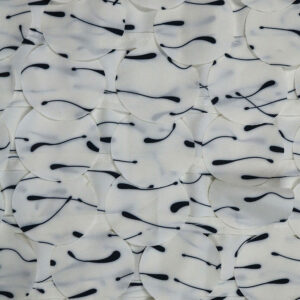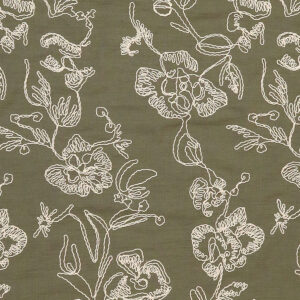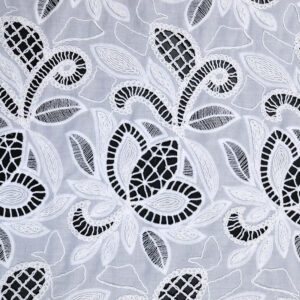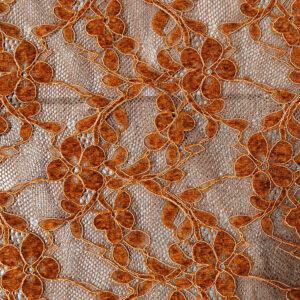
Chemical Lace & Guipure Lace
Naying Textile is a manufacturing supplier and exporter of chemical lace and guipure lace fabrics in Keqiao, Shaoxing, China.
Our collection includes floral, geometric, 3D and decorative embroidered lace designs for apparel applications. With different patterns, textures and embellishment options, we support fabric sourcing and custom development for garment manufacturers, fabric importers and fashion brands.
Showing all 13 resultsSorted by latest
-
 Chemical Lace & Guipure Lace
Striking and Graceful Flowers Velvet Black Laser Chemical Plain EMBR Fabric for Garment Chic NEW-P05558
-
 Chemical Lace & Guipure Lace
Diamond Velvet Black Laser Chemical Plain EMBR Fabric for Fashion Apparel NEW-P05549
-
 Chemical Lace & Guipure Lace
Velvet Black Pantten Consists of Alternating Zigzag lines Laser Plain EMBR Fabric for Garment Chic NEW-P05557
-
 Chemical Lace & Guipure Lace
White Glitter Machine Embroidered Guipure Chemical Lace Fabric NEW-S0207 Ivory
-
 Chemical Lace & Guipure Lace
Luxury Big Flower Royal Blue Schiffli Lace Fabric for Wedding Dress NEW-S0193
-
 Chemical Lace & Guipure Lace
White 3D Floral Bridal Embroidery Guipure Lace Fabric for Wedding Dress NEW-S0192
-
 Chemical Lace & Guipure Lace
White 3D Floral Bridal Chemical Lace Embroidery Net Fabric for Wedding Dress NEW-S0191
-
 Chemical Lace & Guipure Lace
Ivory White 100% Cotton Cord Embroidered Chemical Lace Fabric with Geometric Patterns for Dress NEW-S0095
-
 Chemical Lace & Guipure Lace
Light Blue 3D Leaves Dyed Chemical Guipure Lace Fabric for Dress and Table Runner NEW-S0019
-
 Chemical Lace & Guipure Lace
Antique Black 3mm Sequin Chemical Lace Fabric for Wedding Dress NEW-9752
-
 Chemical Lace & Guipure Lace
3D Flower Guipure Lace Wine Red Water Soluble Chemical Lace Fabric for Fashion NEW-7692-2
-
 Chemical Lace & Guipure Lace
Navy 3D Floral Embroidery Chemical Lace Fabric for Wedding Dress NEW-7642
-
 Chemical Lace & Guipure Lace
Wine Red 100% Polyester Water Soluble Embroidery Chemical Lace Fabric for Dress NEW-7068
What Is Chemical Lace / Guipure Lace Fabric?
Chemical lace, also commonly known as guipure lace in commercial fabric sourcing, is an embroidered lace fabric produced using industrial embroidery machines.
During production, embroidery patterns are created on a temporary ground, which is subsequently removed to form an open lace structure. Water-soluble and heat-soluble materials are commonly used as temporary embroidery grounds. The finished lace features embroidered motifs connected by threads or decorative embroidered structures, creating a distinctive openwork appearance.
Common Chemical Lace / Guipure Lace Designs
Chemical lace and guipure lace can be developed in a wide range of designs and decorative styles, including:
- Floral Lace: Flower, leaf and botanical patterns.
- Geometric Lace: Repeating geometric motifs and structured patterns.
- 3D Floral Lace: Raised flowers and dimensional embroidery details.
- Cord Embroidered Lace: Decorative cord details that create a more prominent texture.
- Sequin Lace: Embroidered lace enhanced with sequin embellishments.
- Multicolor Lace: Different thread colors and dyed effects for more distinctive designs.
- Cotton and Polyester Lace: Different material options to meet design and garment requirements.
The actual design and construction depend on the embroidery pattern, materials and production requirements.
Materials and Fabric Construction
Chemical lace and guipure lace can be developed using different embroidery threads and material combinations. Cotton and polyester are common material options, while additional decorative elements such as cord embroidery, sequins and dimensional embroidery can create different surface effects.
When evaluating a fabric, buyers should consider its composition, weight, usable width, pattern repeat, embroidery density, texture and drape. These factors influence the appearance, handling and suitability of the lace for different garment designs.
Apparel Applications
Chemical lace and guipure lace are widely used in apparel designs that require decorative patterns and distinctive lace textures.
Common applications include:
- Women’s dresses and eveningwear
- Bridal and occasionwear
- Blouses and tops
- Skirts
- Decorative garment panels
- Fashion accessories and other apparel details
The suitable fabric depends on the design, desired appearance, garment construction and end-use requirements.
Sourcing and Custom Development
Naying Textile supplies chemical lace and guipure lace fabrics for apparel brands, fabric importers and garment manufacturers.
For custom development, customers can share fabric samples, garment photos, design sketches or other available references. Our team can discuss suitable patterns, materials and construction options according to the project requirements.
For sourcing enquiries, please contact Naying Textile with your design references and target fabric specifications.
FAQs
Q1. What Is Chemical Lace / Guipure Lace Fabric?
Chemical lace, also commonly called guipure lace in commercial fabric sourcing, is an embroidered lace fabric produced using industrial embroidery machines. A temporary embroidery ground is removed after production to create an open lace structure with connected embroidered motifs.
Q2. How Is Chemical Lace / Guipure Lace Made?
The embroidery pattern is created on a temporary ground using industrial embroidery machines. The ground is then removed through a suitable process. Water-soluble and heat-soluble materials are commonly used as temporary embroidery grounds.
Q3. Is Chemical Lace the Same as Water-Soluble Lace?
Not exactly. Water-soluble lace refers to lace made using a water-soluble temporary ground. Chemical lace is a broader commercial and production-related term. Some chemical lace fabrics use heat-soluble materials rather than water-soluble materials, so the terms are not always interchangeable.
Q4. What Materials Are Used in Chemical Lace / Guipure Lace?
Common material options include cotton and polyester embroidery threads. The final composition depends on the embroidery threads, construction and any additional materials used in the fabric.
Q5. What Designs Are Available?
Common designs include floral, geometric, 3D floral, cord embroidered, sequin embellished and multicolor lace patterns. Custom patterns may also be discussed according to project requirements.
Q6. What Should Buyers Consider When Sourcing Chemical Lace?
Buyers should consider the pattern, composition, weight, usable width, embroidery density, texture, drape and intended garment application. These details help determine whether the lace meets the requirements of a specific apparel project.
For more detailed sourcing guidance, see our Fabric Sourcing Guide.
Q7. Can Naying Textile Develop Custom Chemical Lace / Guipure Lace?
Yes. Customers can provide fabric samples, garment photos, sketches or other design references. Naying Textile can discuss possible fabric designs and development options according to the project requirements.
For more information, see our Fabric Co-Development Service.