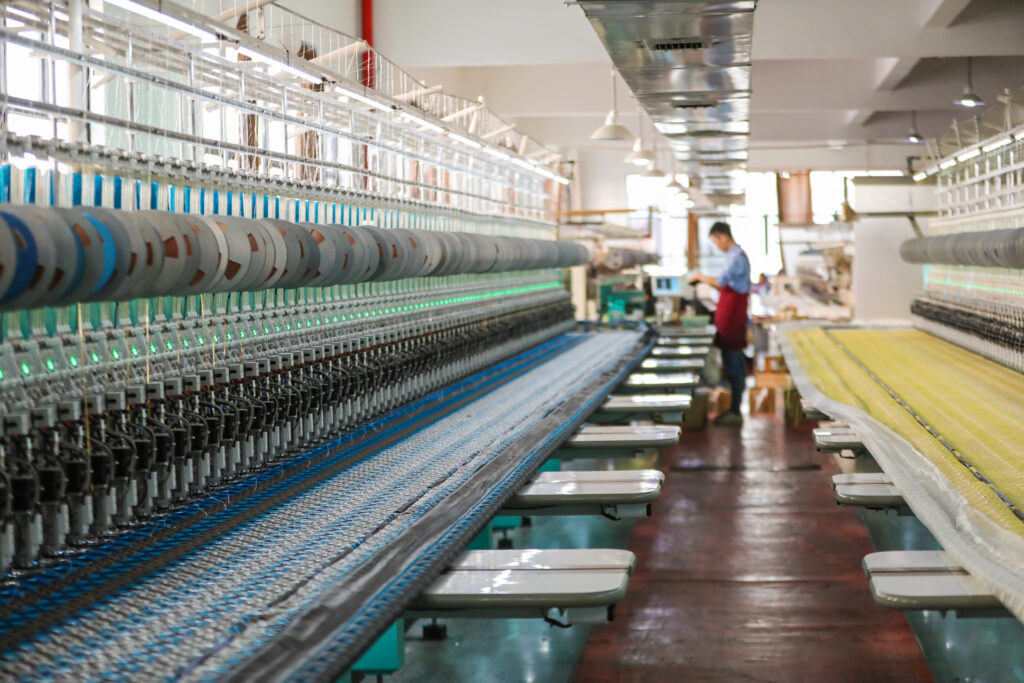
Naying Textile uses digital tools and AI-generated content (AIGC) in fabric design, creative development, and product visualization to improve the efficiency of design exploration and fabric development.
We do not treat AIGC simply as a tool for generating images. Instead, we combine digital design with our practical experience in fabric construction, yarns, embroidery, lace, sequins, and other textile techniques to explore different patterns, textures, colors, and design directions, and then develop them into fabrics that can be produced and used in real garments.
What Is Fabric Co-Development?
Fabric co-development means that a supplier and a customer work together from an initial design concept or product requirement, instead of simply choosing from existing fabrics.
Based on the customer’s product positioning, target market, garment application, and design direction, Naying Textile can work with customers to discuss patterns, materials, fabric construction, and textile techniques, and adjust them according to the actual development requirements.
For customers who have a clear design direction but have not yet decided on the final fabric, we can also start from an initial concept, pattern, or textile technique.
How Do Digital Tools and AIGC Support Fabric Development?
Digital tools and AIGC can help us explore different visual directions during the early stage of fabric development, including patterns, textures, color combinations, and garment applications.
They also make it easier for design teams and customers to discuss design directions and compare different ideas before physical sampling.
Customers do not always need to have a complete fabric design before starting. A fabric sample, image, design sketch, garment reference, pattern direction, or even an initial idea can be used as a starting point for co-development.
From Design Concept to Real Fabric
Our development process is not simply about turning an AI-generated image into a fabric. It is a step-by-step process:
Customer Idea or Reference → Digital Exploration → Fabric Construction & Technique Discussion → Physical Sampling → Adjustment & Approval → Production
During this process, digital tools and AIGC are mainly used for design exploration and visual communication. Fabric construction, yarns, embroidery, lace, sequins, and other textile techniques still need to be developed based on real production conditions.
AIGC can help us explore and visualize design concepts, but the final fabric still needs to be developed and evaluated based on real materials, fabric construction, production techniques, and garment requirements.
An Example of Fabric Development
One example is Naying Textile’s Spandex Chenille Lace Fabric NWLC-10830-3. The fabric is made from 46% recycled nylon, 46% recycled polyester, and 8% spandex, with a cuttable width of 150 cm and a weight of about 320 g/m.
For this type of fabric development, digital tools and AIGC can support the exploration of patterns, textures, and garment visualization. At the same time, the actual chenille yarn, lace construction, stretch requirements, and production techniques still need to be developed and confirmed through physical fabric development and sampling.
By combining digital visual exploration with practical textile techniques, a design concept can be developed into a real fabric product.
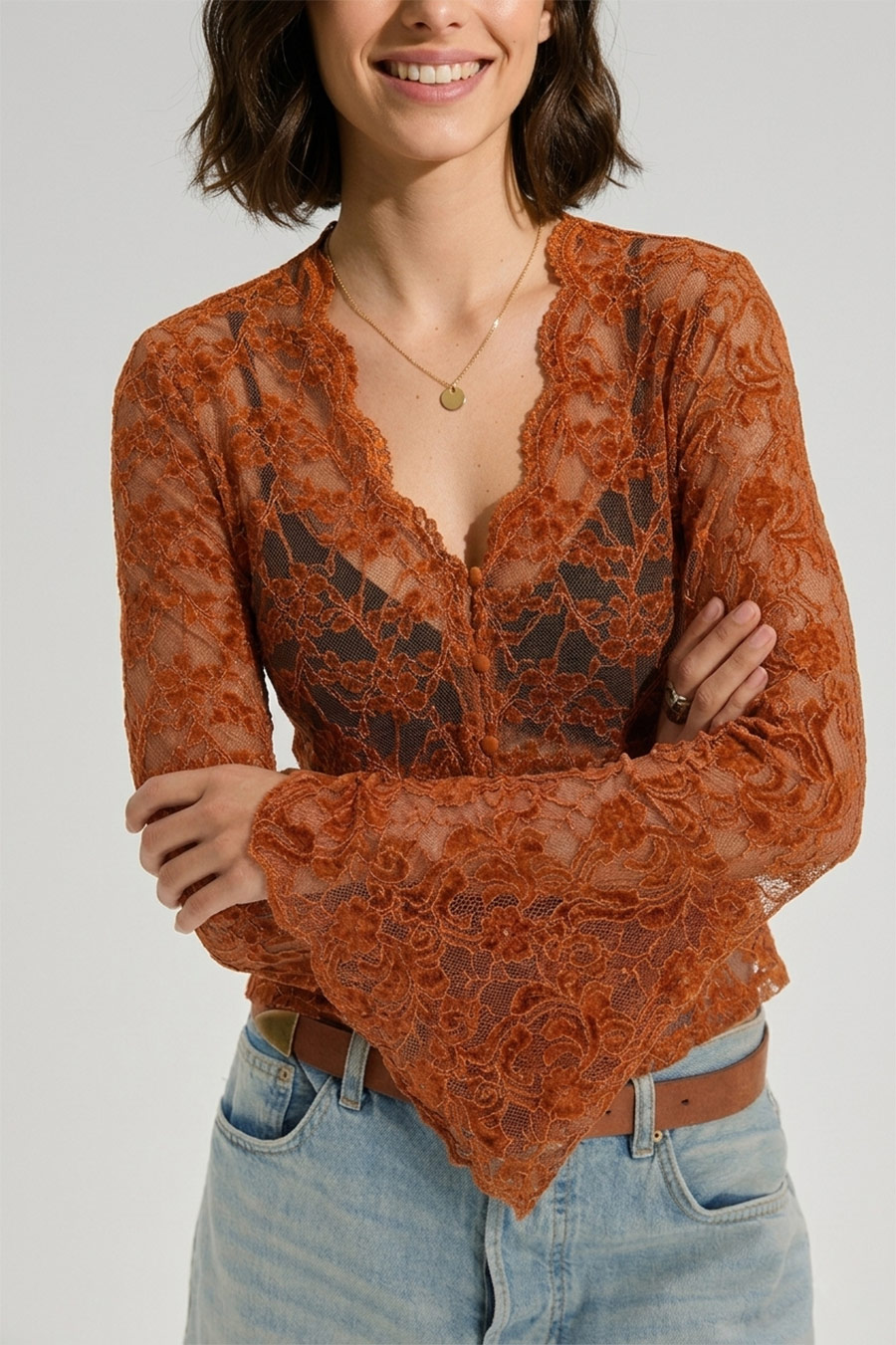
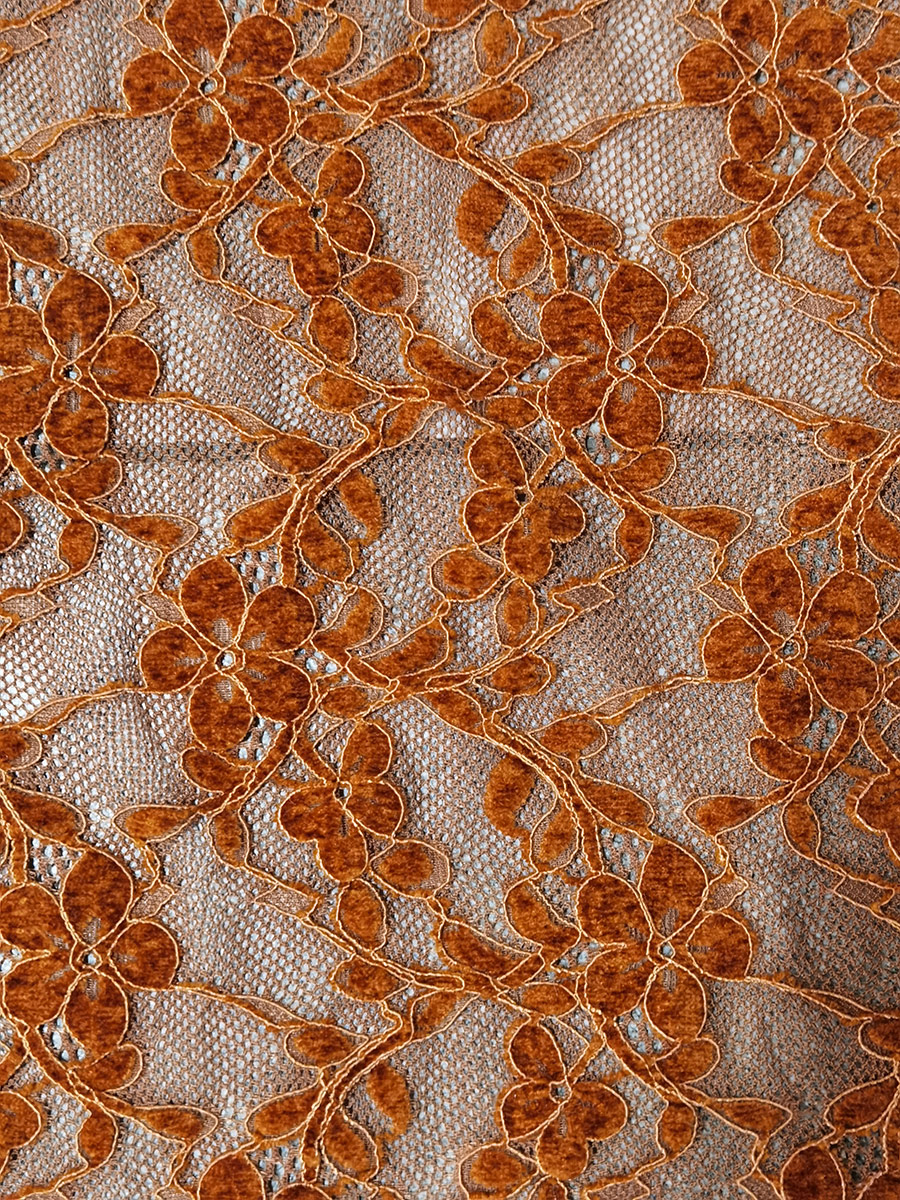
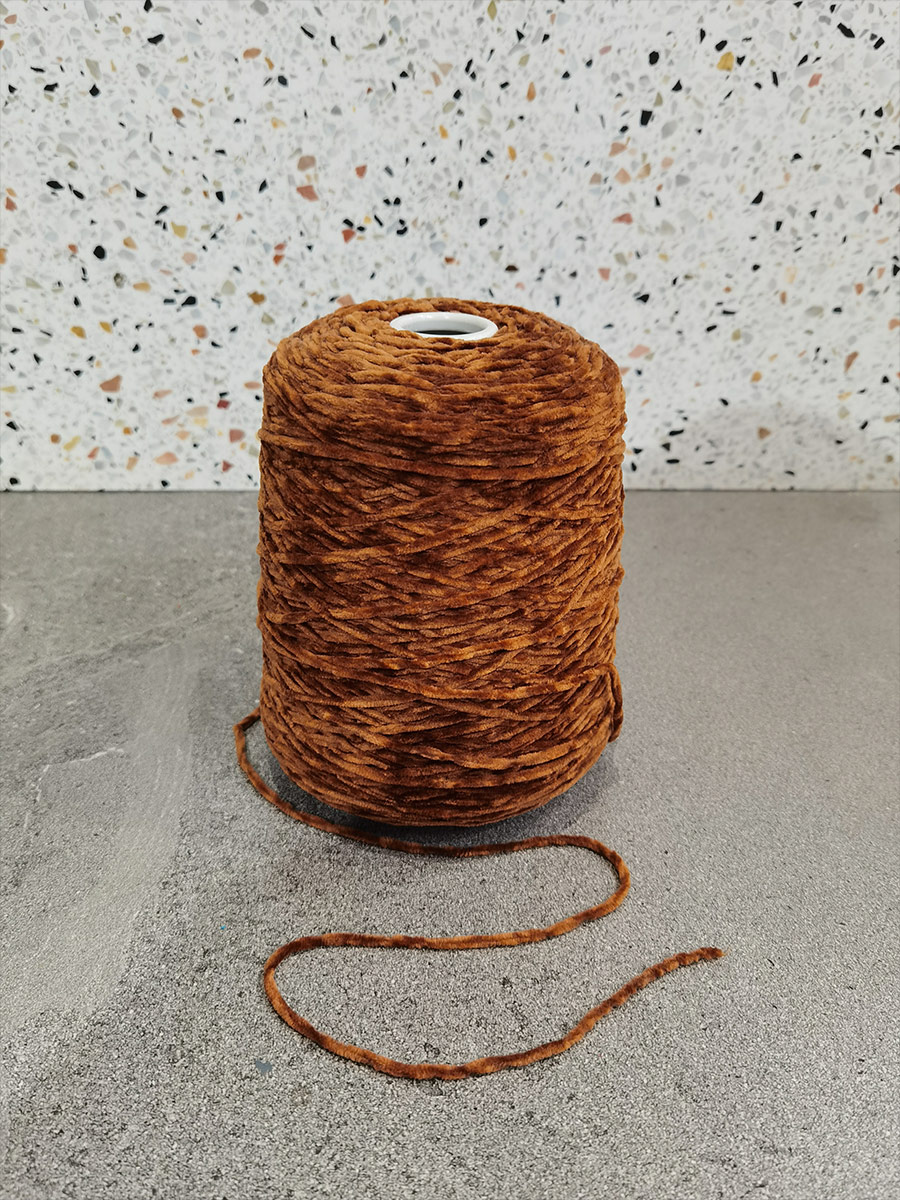
Name: Spandex Chenille Lace Fabric
Item: NWLC-10830-3
Composition: 46% Re-Nylon, 46% Re-Polyester, 8% Spandex
Cuttable Width: 150CM
Weight: 320G/M
How Can Co-Development Help Customers?
For fashion brands, designers, and fabric developers, the value of co-development is not only about exploring more design options. It also allows the customer and supplier to discuss design and production feasibility at an earlier stage.
Digital tools and AIGC can help customers and suppliers communicate visual directions more efficiently, while Naying Textile’s fabric development experience can be used to discuss materials, fabric construction, textile techniques, hand feel, applications, and production feasibility.
This can help reduce the gap between a design concept and the final physical fabric and create a clearer development direction at an earlier stage.
Fabric Co-Development with Naying Textile
Naying Textile specializes in embroidered fabrics, lace, sequins, jacquard, crochet, warp knitting, and other fancy fabrics. We combine digital design tools, AIGC-assisted development, and practical fabric development experience to explore new fabric directions together with customers.
If you have a fabric sample, image, design sketch, garment reference, or initial idea, you can share it with Naying Textile to discuss whether a fabric co-development project could be suitable.